
As we age, maintaining independence and mental sharpness is a top priority. While many of us focus on staying physically fit to protect our hearts and joints, modern neuroscience reveals an even more exciting benefit: physical activity is one of the most powerful tools we have to protect our brains.
Taking control of your cognitive health is about proactive prevention. By understanding the “Movement-Mind” connection, healthy older adults can take actionable steps today to lower their risk of dementia, build a more resilient brain, and enjoy a vibrant, purposeful future.
In this guide, we explore the science-backed lifestyle choices that help preserve cognitive longevity and examine how choosing the right senior living community can support your journey toward lifelong brain health.
Understanding the “Movement-Mind” Connection
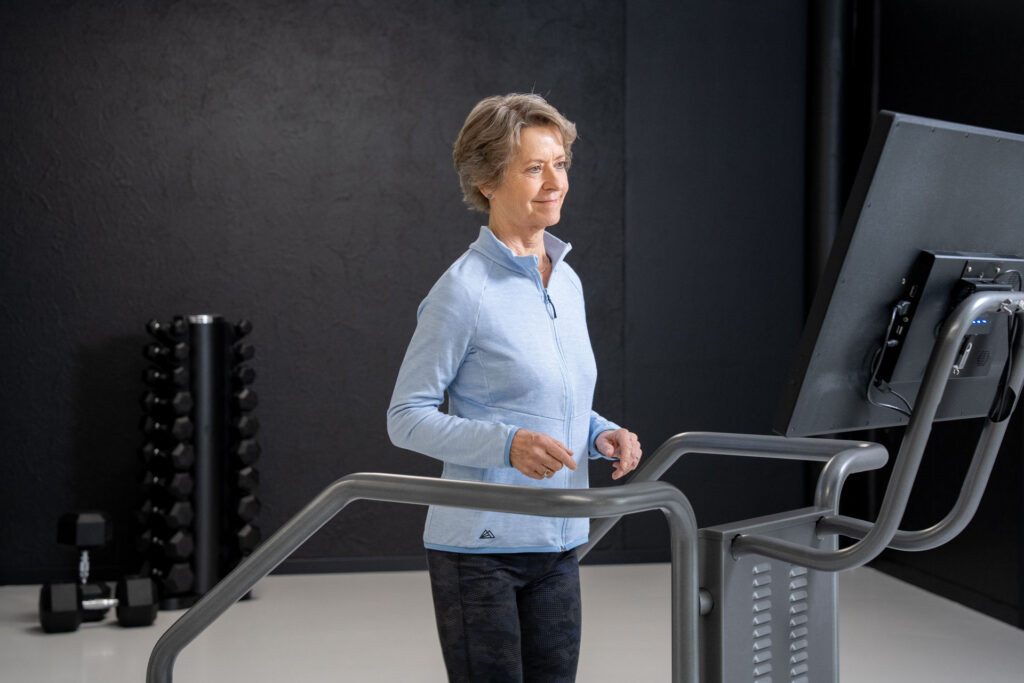
For active adults over 70, the “Movement-Mind” connection is a vital concept to understand. This principle suggests that our brains and bodies are not separate entities but a single, integrated system. When we move our muscles, we aren’t just improving physical strength; we are “feeding” our brains.
Why Exercise Is Essential for Dementia Prevention
Physical activity increases blood flow to the brain and stimulates the release of a protein called BDNF (Brain-Derived Neurotrophic Factor). Think of BDNF as “fertilizer” for your brain cells. It helps repair existing brain cells and encourages the growth of new ones.
Regular exercise helps maintain the volume of the hippocampus—the part of the brain responsible for memory—which is often the first area affected by Alzheimer’s disease. According to the Alzheimer’s Association, regular physical activity is one of the most impactful lifestyle choices for maintaining cognitive function as we age.
The Power of Neuroplasticity: Training Your Brain
The most exciting discovery in modern neuroscience is neuroplasticity. For a long time, scientists believed the brain was “hard-wired” after childhood. We now know that the brain is like a muscle: it can reorganize itself and form new neural connections throughout our entire lives, even into our 80s and 90s.
Research from Harvard Health Publishing suggests that we can reorganize our brains through “cognitive reserve.” By engaging in new learning and physical challenges, we build a secondary “library” of neural pathways. If one pathway is damaged by age or disease, the brain can use these alternative routes to process information. Exercise is a primary driver of this process, as it creates the biological environment necessary for these new connections to take root.
Is Dementia Preventable? What the Science Says
It is important to be realistic: currently, there is no way to 100% prevent dementia, as genetics and age play significant roles. However, the Lancet Commission on Dementia Prevention cites evidence-based research showing that up to 40% of dementia cases could be delayed or prevented through twelve modifiable lifestyle factors.
The consensus among researchers is clear: while we cannot guarantee prevention, we can significantly lower the risk and slow the progression by staying physically active, socially engaged, and nutritionally mindful.
10 Actionable Tips for Dementia Risk Reduction
Based on research from the Mayo Clinic and other leading health organizations, here are ten behavior modifications for seniors to implement today:
- Prioritize Aerobic Exercise: Aim for 150 minutes of moderate activity per week (like brisk walking) to boost brain oxygenation.
- Strength Training: Lifting light weights or using resistance bands twice a week helps maintain the “Movement-Mind” connection.
- The Mediterranean-DASH Diet: Focus on leafy greens, berries, fish, and olive oil to reduce brain inflammation. Learn more about the MIND Diet at Healthline.
- Manage Cardiovascular Health: What is good for the heart is good for the brain. Monitor blood pressure and cholesterol.
- Quality Sleep: During sleep, the brain’s “glymphatic system” flushes out toxins, including the plaques associated with Alzheimer’s.
- Lifelong Learning: Take up a new hobby, learn a language, or play a musical instrument to build neuroplasticity.
- Social Connectivity: Regular social interaction reduces stress and depression, both of which are risk factors for cognitive decline.
- Protect Your Hearing: Untreated hearing loss is a major risk factor; using hearing aids can help keep the brain engaged.
- Limit Alcohol and Avoid Smoking: Reducing toxins helps preserve the integrity of the blood-brain barrier.
- Mindfulness and Stress Reduction: Chronic stress produces cortisol, which can shrink the memory centers of the brain.
A Proactive Approach to Wellness: The Westminster Approach
At Westminster Communities of Florida, our mission is to “inspire happy, healthy, and purposeful lives for seniors.” This mission is directly aligned with the latest research on dementia risk reduction. We believe that an active, engaged lifestyle is the best medicine, providing our residents with the fitness programs, social opportunities, and brain-healthy dining options needed to maximize cognitive reserve.
While optimizing wellness is our daily goal, true peace of mind means knowing that support is available if needs ever change. For families or couples planning for the future, excellence in memory care ensures that life continues to be defined by dignity, purpose, and joy at every stage.
Innovation at Westminster Oaks
Westminster Oaks is proud to offer Tallahassee’s only secure Memory Support center with an innovative household design. We move away from the “clinical” feel of traditional facilities, offering 32 private apartments that open into home-like living areas.
Our approach to excellence includes:
- The Montessori Method: We use Montessori-based principles to support cognition through sensory engagement and individualization, allowing residents to maintain their independence for as long as possible.
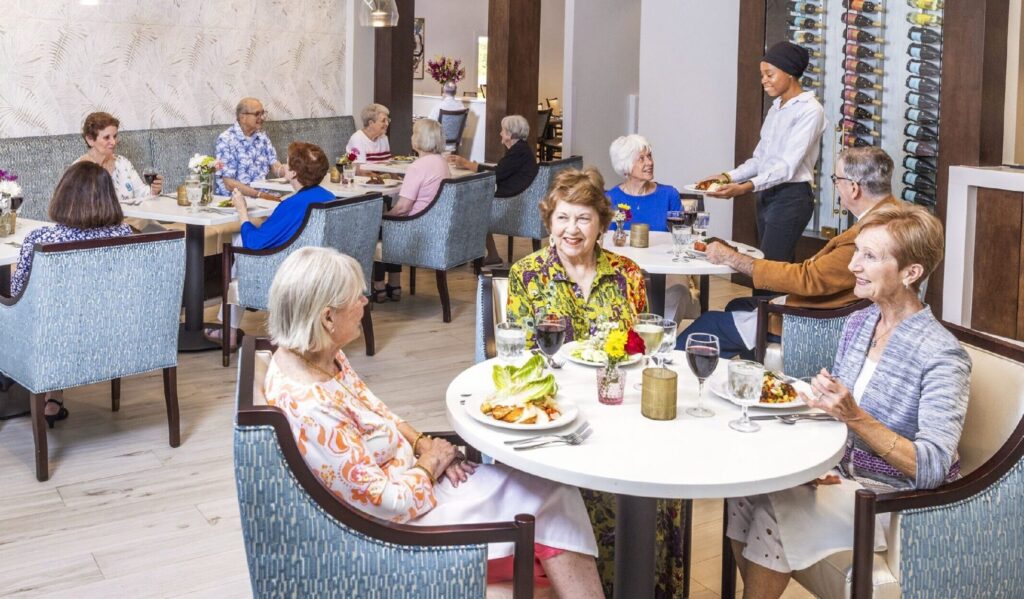
- Small BITES Dining: Nutrition is critical for brain health. Our specialized “Small Bites” program encourages nutritional intake and “dining with dignity” in a joyful, social setting.
- Nature and Wellness: Our neighborhoods feature sensory gardens and large, shaded patios. Research shows that views of natural settings and access to the outdoors significantly improve mental and physical health in those with memory loss.
Choosing Your Partner in Health and Longevity
Whether you are looking for a community that empowers your current active lifestyle or seeking a dedicated memory support partner for a loved one, look for an organization that views every resident as an individual with a rich history. From our “Movement-Mind” philosophies to our secure, home-like neighborhoods, Westminster Communities of Florida is dedicated to cherishing every moment.
Ready to see how our lifestyle can support your long-term brain health? Contact us today to schedule a tour of our memory support neighborhoods.