TL;DR/Quick Summary: Social isolation in seniors is a public health epidemic, affecting nearly 1 in 4 adults over age 65. The health effects of social isolation are significant for older adults, increasing the risk of heart disease, stroke, and dementia. Active senior living communities, such as Westminster Bradenton in Florida directly counter these risks by removing barriers to connection and offering an environment designed to foster social connections.
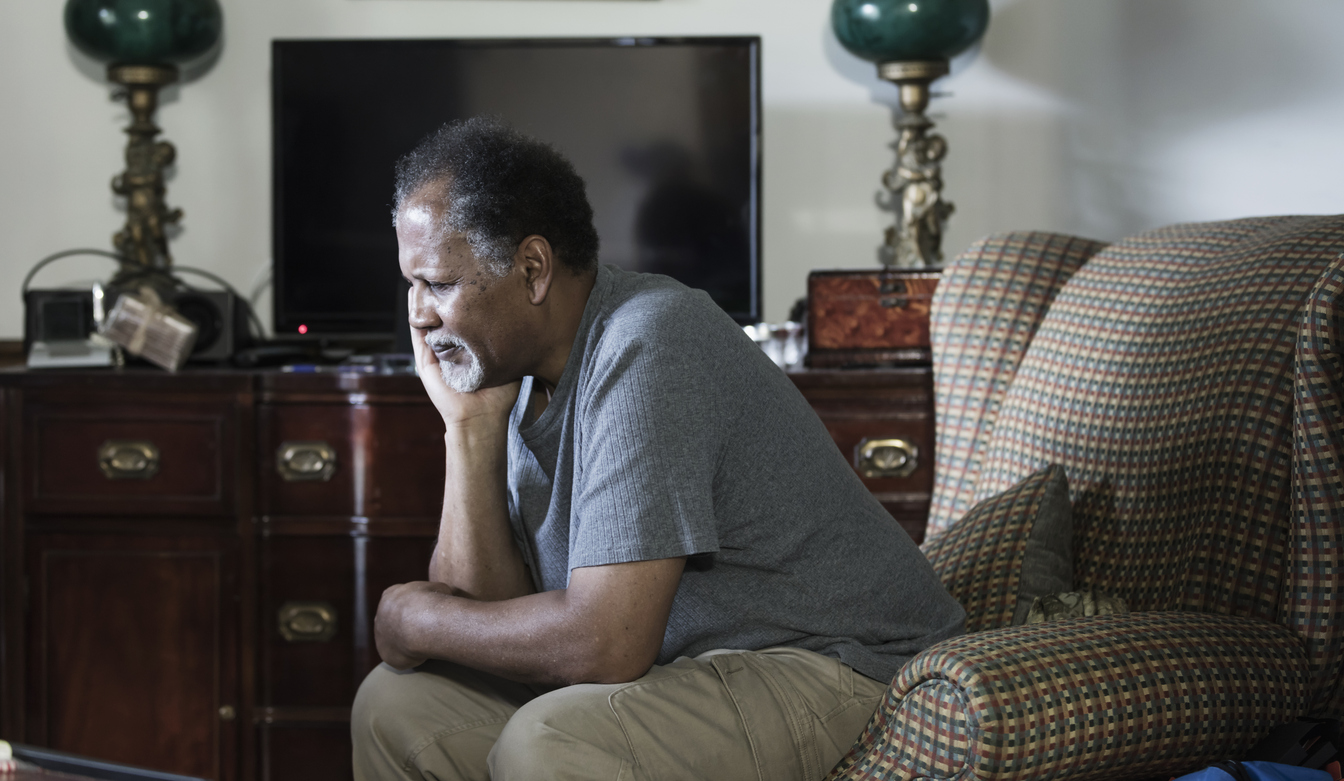
When picturing their dream retirement, many people think of well-deserved relaxation, peaceful afternoons, and time to pursue personal passions. But, for millions of older adults aging in place at home, a quiet and unexpected shadow can fall over these years: chronic loneliness.
While the process of aging is a natural part of life, losing lifelong friends, seeing children move away, and a lack of daily interaction with colleagues at work can create both physical and emotional gaps that, lead to social isolation among seniors. So how can we expand our world as we age?
Active senior living communities, such as Westminster Bradenton in Bradenton, FL, can expand social circles by offering daily interaction and fostering companionship for seniors. Seniors who choose a community like Westminster Bradenton, can transition from feeling isolated into an environment designed for connection, with a wide range of meaningful senior living benefits that can revitalize their physical health, sharpen their minds, and restore their zest for life.
Senior Loneliness: The Invisible Epidemic
The reality of social isolation in seniors is backed by a mountain of clinical data. Public health officials have formally classified senior loneliness as a full-blown epidemic. A landmark study by the National Academies of Sciences, Engineering, and Medicine (NASEM) found that nearly 1 in 4 adults aged 65 and older are considered socially isolated, and an astonishing 43% of adults over age 60 report they regularly feel lonely.
The effects of social isolation are damaging to both physical and mental health for seniors, severely impacting their overall health in ways that mirror chronic medical conditions.
Health Risks of Prolonged Isolation
| Physical Impact: | As damaging as smoking 15 cigarettes a day |
| Cardiovascular Impact: | 29% increased risk of heart disease 32% increased risk of stroke |
| Cognitive Decline: | 50% increased risk of dementia |
Research from the Office of the Surgeon General reveals that chronic loneliness can be as damaging to an individual’s health as smoking 15 cigarettes a day. When an older adult feels isolated from society, their body remains in a continuous state of low-grade physiological stress. This chronic stress elevates cortisol levels, disrupts sleep patterns, weakens the immune system, and contributes to a 29% increase in the risk of coronary heart disease alongside a 32% increase in the risk of stroke.
The impact of social isolation on mental health for seniors is equally profound, often acting as a direct catalyst for clinical depression and severe anxiety.
For older adults living with Alzheimer’s disease or other forms of dementia, the consequences of a solitary lifestyle are particularly devastating. The NASEM report notes that social isolation can increase the risk of developing dementia by approximately 50%. Pioneering research from Emory University, Rollins School of Public Health also underscores that a lack of regular verbal communication and daily social interaction accelerates cognitive decline. For those already navigating a memory impairment diagnosis, isolation actively worsens behavioral symptoms like agitation and confusion by depriving the brain of essential, engaging stimulation.
How Active Senior Living Communities Help Decrease Senior Loneliness
Fortunately, loneliness is a completely modifiable risk factor that senior living communities work to combat. Moving into one of these dedicated neighborhoods provides built-in senior living benefits, such as accessible human connection, that seniors aging in place at home may be lacking.
“When older adults move to an active senior living community, you see a shift in happiness and of peace of mind because there are others nearby,” said Westminster Communities of Florida’s Vice President of Healthy Aging, Kelly Stranburg. “Even if you live in a community, but you’re not necessarily an outgoing or overly social person, there’s still people nearby.”
By eliminating transportation stresses, removing home maintenance demands, and bringing dining, fitness, and entertainment options onto one campus, residents are always just steps away from a bustling community of their peers.
Benefits of Senior Living
| Aging in Place at Home | Active Senior Living |
| Transportation barriers | On-site transportation & walking paths |
| Neighborhood turnover | Built-in community of peers |
| Isolation at mealtimes | Communal, restaurant-style dining |
| Hidden home maintenance stress | Maintenance-free, worry-free living |
This positive shift is documented in a 2023 Mather Age-Well Study, a prominent, multi-year longitudinal study conducted in collaboration with Northwestern University. Researchers tracked the health and well-being of residents living in life plan communities like Westminster Oaks over a five-year period. The findings were clear: residents of these communities consistently reported significantly higher levels of social, physical, and intellectual wellness than their peers aging in place at home. Most notably, the study found that senior living residents’ social contact increased or remained high over time, protecting them against the typical declines associated with aging in place.
For more findings from this landmark study, download our guide on Aging Well at a Life Plan Community, which features insights on how active senior living communities like Westminster can improve health outcomes and enhance social wellness for seniors.
Discover the benefits of life plan communities.
The health impacts of this increased social interaction are immediate. Regular, high-quality human connection triggers the biological release of oxytocin and dopamine—hormones that naturally lower blood pressure, reduce systemic inflammation, and boost immune function. Socializing serves as an active workout for the brain, requiring real-time processing, emotional empathy, and verbal recall, all of which help preserve cognitive health and build resilience against memory loss.
Spotting the Signs of Social Isolation in Seniors
Witnessing a loved one become more isolated is emotionally heavy for everyone. To help protect their well-being, watch for these subtle warning signs of social isolation in seniors:
- Changes in Daily Habits: Unexplained weight loss, a sudden lack of interest in cooking, or noticeable changes in eating and sleeping patterns.
- Neglecting Self-Care or Housekeeping: Visible decline in personal hygiene, wearing the same clothes for days, or clutter and unkempt living spaces that are unusual for them.
- Behavioral Shifts: Withdrawal from hobbies they used to love, uncharacteristic moodiness, or making frequent, repetitive phone calls just to hear a voice.
- Physical Complaints: An increase in vague somatic complaints, such as chronic aches, headaches, or stomach issues with no clear medical explanation.
Practical Strategies to Address Senior Loneliness
If you notice these changes in your loved one, there are practical steps you can take to gently guide them back toward consistent social contact.
3 Ways to Mitigate Senior Loneliness Directly
- Establish Predictable Routines: Set up a fixed, recurring weekly call or visit (e.g., every Thursday morning at 10 a.m.) so they have an emotional anchor on their calendar to look forward to.
- Leverage Technology: Introduce simplified video-calling devices or tablets designed specifically for older adults to make long-distance chatting effortless.
- Tap into Shared Interests: Connect them with local book clubs, faith-based groups, or community center classes focused on a hobby they already enjoy.
3 Ways Caregivers Can Encourage Social Contact
- Focus on the Activity, Not the Socializing: Frame your concerns with encouragement around an interest: “There is a local group meeting to talk about historical fiction this Friday.”
- Start Small: Large, crowded events can feel overwhelming to someone who has been isolated. Arrange a low-pressure, one-on-one lunch or small group gathering first.
- Lean on Trusted Professionals: Sometimes a recommendation carries more weight when it comes from an outside expert. Ask their primary care physician or a trusted spiritual leader to gently encourage them to participate in community activities.
The Westminster Difference: A Culture of Wellness
At Westminster Communities of Florida, combating senior loneliness is built directly into our design and daily life, inspiring happy, healthy, and purposeful living. Walk into any of our communities, and you’ll see that well-being isn’t just about exercise; it’s about feeling good in every aspect of your life.
Our lifestyle, wellness, and dining and culinary teams collaborate directly with residents to create custom opportunities unique to each community’s location, talents, and interests. Rather than a rigid routine, Westminster practices research-based standards that center on a holistic, multi-dimensional approach to wellness.
“We have a litany of lifestyle, wellness, and volunteer offerings to meet anybody’s personal interests,” Stranburg said. “No matter what, you are bound to find something that interests you, and it will connect you to others.”
Dedicated, senior-certified fitness trainers guide residents in state-of-the-art fitness centers, while our active campuses provide endless avenues for engagement, including:
- Multi-Dimensional Growth: Integrated opportunities focusing on physical, intellectual, social, vocational, and spiritual wellness.
- Active Recreation: Beautiful grounds tailored for walking and cycling, plus amenities like swimming pools, tennis, pickleball, putting greens, and even boating, fishing, or kayaking depending on the location.
- Lifelong Learning and the Arts: A robust focus on the cultural arts, resident art shows, national-caliber musical performances, and intellectual classes.
- Meaningful Purpose: Organized on- and off-campus volunteer opportunities that allow residents to give back to beloved causes.
Connection is also served daily in our dining venues. Our dining teams recognize that food plays a vital role in enriching daily life, serving up scratch-made comfort dishes and social connection alongside thoughtfully crafted, seasonal menus. By blending a supportive neighborhood environment with cutting-edge fitness and vibrant social spaces, Westminster replaces the quiet anxiety of isolation with an inspiring lifestyle of true belonging.
Choosing a Connected Future
Overcoming social isolation in seniors requires looking beyond home maintenance and basic safety. It means prioritizing a person’s fundamental need for human connection. Addressing senior loneliness is an essential component of preventive healthcare.
If you or a loved one are ready to transition from isolation to an active senior living community focused on happy, healthy, and purposeful living, contact our team to schedule a tour at a Westminster Communities campus near you.
Frequently Asked Questions
What are the health risks of social isolation in seniors?
Chronic social isolation in seniors carries serious, clinically documented health consequences. Research highlighted by the U.S. Surgeon General shows it can be as harmful as smoking 15 cigarettes a day. Specific risks include a 29% increased risk of coronary heart disease, a 32% increased risk of stroke, a 50% increased risk of developing dementia, and higher rates of clinical depression and anxiety. Social isolation also disrupts sleep, weakens the immune system, and elevates cortisol due to sustained physiological stress.
What are the warning signs of senior loneliness?
Subtle warning signs of social isolation in seniors may include:
- Changes in Daily Habits: Unexplained weight loss, a sudden lack of interest in cooking, or noticeable changes in eating and sleeping patterns.
- Neglecting Self-Care or Housekeeping: A visible decline in personal hygiene, wearing the same clothes for days, or unusual clutter and unkempt living spaces that are unusual for them.
- Behavioral Shifts: Withdrawal from hobbies they used to love, uncharacteristic moodiness, or making frequent, repetitive phone calls just to hear a voice.
- Physical Complaints: An increase in vague somatic complaints, such as chronic aches, headaches, or stomach issues with no clear medical explanation.
How do active senior living communities help reduce social isolation in seniors?
Active senior living communities, such as Westminster Oaks in Tallahassee, FL, provide built-in opportunities for connection with peers and senior living benefits that naturally dissolve socialization barriers older adults aging in place at home may be facing.
In the Mather Age-Well Study, a prominent, multi-year longitudinal study conducted in collaboration with Northwestern University, residents living in life plan communities like Westminster Oaks consistently reported significantly higher levels of social, physical, and intellectual wellness than their peers aging in place at home.