Everyone falls at one time or another, but the risk they pose becomes more serious as we age. According to the Centers for Disease Control and Prevention (CDC), 1 in 4 Americans aged 65 and older falls each year, and falls are the leading cause of injury-related hospitalizations in this age group.
Even when a fall doesn’t result in a major injury, it can have lasting consequences — from reduced mobility to a loss of confidence that leads to isolation and inactivity.
The good news? Many falls can be prevented, and one of the most effective strategies is incorporating regular exercise into daily life. When combined with proper nutrition — especially adequate protein intake — exercise can improve balance, coordination, strength, and stability.
In this article, Kelly Stranburg, Vice President of Healthy Aging and Longevity at Westminster Communities of Florida, shares her 20-plus years of expertise some of the best exercises for seniors seeking to reduce their risk of falling.
Why Preventing Falls Matters
Falls don’t just result in bruises or broken bones. They often lead to:
- Hip fractures and head injuries
- Hospital stays and surgery
- Long recovery periods or permanent mobility loss
- Decreased independence and activity
But beyond the physical impact, many seniors report a fear of falling after an incident, even if they weren’t seriously injured. This fear can lead to withdrawing from activities, which then causes muscle weakness, reduced coordination, and — ironically — a higher risk of falling again.
That’s why it’s essential to stay active. Movement not only builds strength and balance — it boosts confidence and independence too.
The Best Exercises to Prevent Falls
Here are some of the most effective and safe exercises for fall prevention:
1. Balance Training
Improving balance is one of the most direct ways to reduce fall risk. These exercises strengthen stabilizing muscles and train your brain to better respond to shifts in body position.
- Single-leg stands: Stand on one foot while holding a chair for support, gradually increasing your time as you improve.
- Heel-to-toe walking: Walk in a straight line, placing the heel of one foot directly in front of the toes of the other.
- Tai chi: This gentle form of movement combines balance, coordination, and mindfulness.
2. Leg Strengthening
Strong legs are essential for walking, standing from a chair, and navigating stairs safely.
- Sit-to-stands: Practice standing up from a seated position without using your hands.
- Mini squats: Use a chair or counter for support while bending your knees slightly and then standing back up.
- Leg lifts: While seated or standing, lift each leg forward or to the side to strengthen hip and thigh muscles.
3. Core Stability
A strong core helps keep your body upright and stable when walking or reaching.
- Seated marches: Sit in a chair and lift your knees one at a time in a marching motion.
- Pelvic tilts: While lying on your back or standing against a wall, gently press your lower back down and engage your abdominal muscles.
4. Flexibility and Range of Motion
Keeping joints limber improves coordination and helps prevent sudden movements that can lead to falls. Yoga and stretching classes are great for supporting flexibility in seniors.
- Neck and shoulder rolls
- Ankle circles
- Hamstring and calf stretches
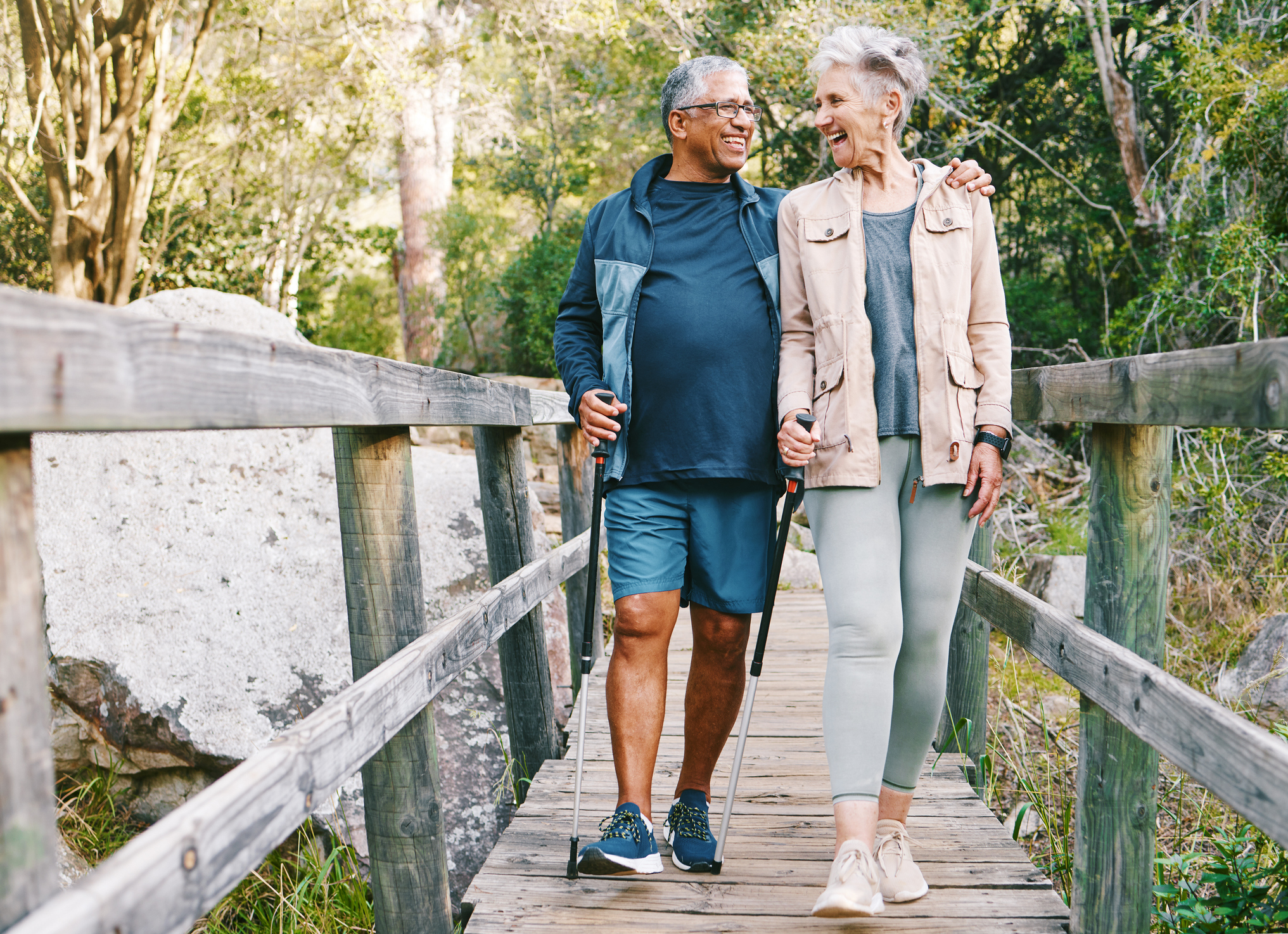
5. Walking
Simple but effective, walking improves overall strength, coordination, and endurance. Aim for 20–30 minutes per day, at your own pace, ideally in a safe and well-lit area.
Nutrition and Fall Prevention
Exercise is only part of the picture. Muscle health and fall prevention also rely on proper nutrition, especially protein. As we age, we naturally lose muscle — a condition known as sarcopenia. Without enough protein, the body can’t maintain or rebuild muscle, making balance and strength more difficult.
How Much Protein Do Seniors Need?
Many experts recommend 25–35 grams of protein per meal for older adults. This helps maintain lean muscle mass and supports recovery after activity. Spread protein intake throughout the day for the best effect.
Good Sources of Protein:
- Eggs
- Greek yogurt
- Chicken or fish
- Tofu and legumes
- Cottage cheese
- Protein-rich smoothies
Combining resistance exercises with consistent protein intake is a proven strategy to build and maintain strength, helping to reduce fall risk over time.
Make Movement a Daily Habit
Preventing falls isn’t about perfection — it’s about progress. Small steps taken consistently make a big difference. Try to include movement into your daily routine:
- Walk to the mailbox or around the block
- Stretch during morning TV shows
- Join a group fitness or balance class
- Practice chair exercises while listening to music
And don’t forget to rest. Muscles need recovery time, especially after resistance training. Aim for movement most days of the week, balanced with adequate sleep and hydration.
Visiting your local senior center or YMCA is a great way to jump start more active aging. Most offer discounts to seniors and offer a wide range of classes at many levels designed to target key areas of functional fitness.